
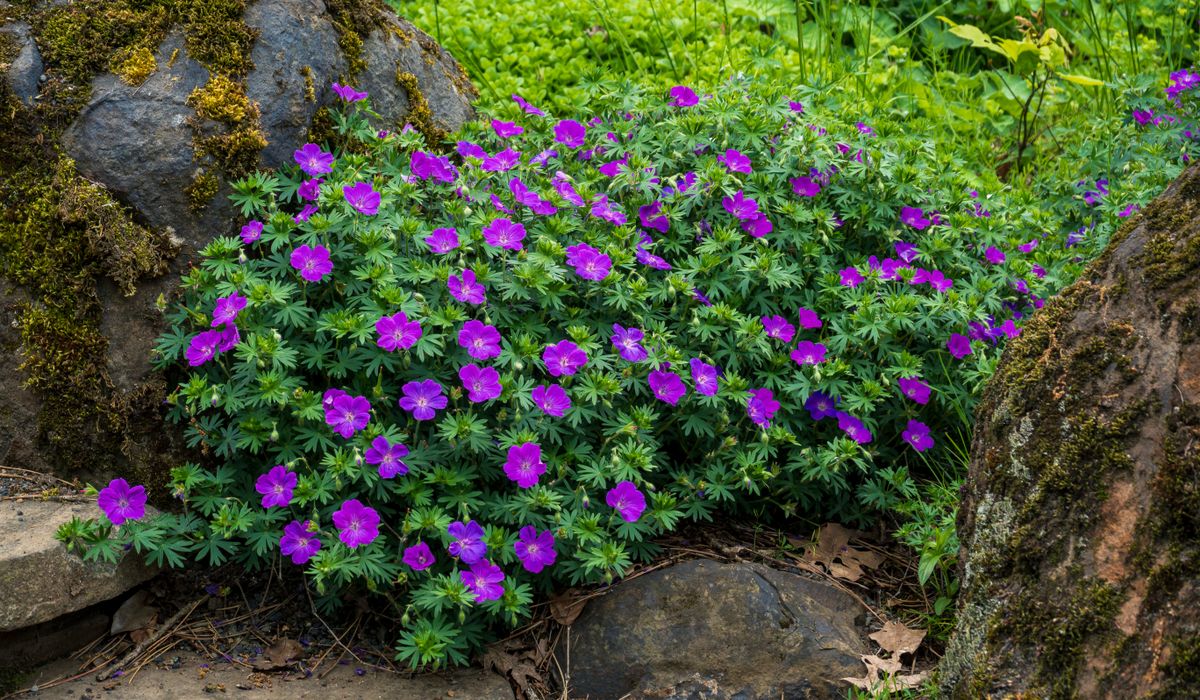
Shelterbelts and windbreaks for exposed gardens
Why coastal gardens need a windbreak
If your garden sits within a few miles of the British coast, you will know the feeling: a promising spring day can turn into a salt-laden gale that strips leaves, snaps branches, and leaves everything windswept. Salt burn, leaf scorch, and dieback are common. A well-planned windbreak is not a luxury; it is the difference between a garden that survives and one that thrives.
How a windbreak works – and why permeable beats solid
Many gardeners assume a solid wall or fence is the best defence. In fact, a solid barrier creates turbulence, dumping damaging eddies on the leeward side. A permeable windbreak – one that lets about 50% of the wind through – filters airflow, reducing speed without causing harmful gusts. It should be at least 1.5 metres tall, and it protects a distance downwind roughly equal to five to ten times its height.
For a coastal plot, aim for a layered approach: a tall shelterbelt of trees, a middle storey of shrubs, and a low hedge or artificial screen. This mimics the natural coastal scrub that survives on cliff tops and dunes.
Native trees for a coastal shelterbelt
Native trees are adapted to our climate and support wildlife, but not all cope with salt. The best choices for exposed coastal sites include:
- Hawthorn (Crataegus monogyna) – tough, wind-firm, and tolerant of salt spray. It makes a dense, thorny barrier and provides haws for birds.
- Blackthorn (Prunus spinosa) – similar toughness, with early blossom and sloes. It suckers, forming a thicket.
- Sea buckthorn (Hippophae rhamnoides) – a native coastal specialist with silvery leaves that resist salt. It fixes nitrogen and thrives in poor, sandy soils, but spreads by suckers, so give it room.
- Alder (Alnus glutinosa) – good for wet, exposed sites. It grows fast and improves the soil.
- Scots pine (Pinus sylvestris) – where you have space, this native conifer is extremely wind-firm and salt-tolerant once established.
- Rowan (Sorbus aucuparia) – more compact, with berries for wildlife. It prefers some shelter, so plant it behind the front line.
Plant in double, staggered rows about 2 metres apart, and mix species to avoid a monoculture. Expect some losses; replace them promptly.
Shrubs and hedging to fill the gaps
Below the trees, use native shrubs to create a dense, low canopy that filters wind at ground level. These also provide nesting sites and berries.
- Gorse (Ulex europaeus) – fiercely spiny and wind-proof. It fixes nitrogen and has yellow flowers for much of the year.
- Broom (Cytisus scoparius) – less spiny than gorse, with bright yellow flowers. It needs sharp drainage.
- Dog rose (Rosa canina) – a scrambling shrub that tolerates salt and offers hips in autumn.
- Bramble (Rubus fruticosus) – underrated as a windbreak. It forms impenetrable thickets and feeds wildlife, though it can spread.
- Wild privet (Ligustrum vulgare) – semi-evergreen, with small white flowers and black berries. It clips well for a formal hedge.
For a lower hedge, consider a mix of these species planted at 45–60 cm intervals. Trim after nesting season, in late summer, to keep the hedge dense but wildlife-friendly.
Artificial screens and hybrid solutions
Sometimes you need instant shelter whilst your plants establish. Woven plastic windbreak fabric, slatted wooden fences, or chestnut paling can all work – as long as they are permeable. Look for a material that blocks about 50% of the wind. Solid panels, including tight fences or walls, will cause damaging downdraughts and eddies.
Fix artificial screens securely; coastal gales will find any weakness. A good trick is to erect a temporary screen 1–2 metres windward of your planting area, removing it after two or three years once the native shelterbelt has knitted together. You can also use low, open-sided cloches or individual tree shelters for vulnerable young plants, but avoid solid plastic sleeves that can overheat in summer.
Planting and aftercare for exposed plots
Coastal soils are often sandy, thin, or chalky, and they dry out fast. Before planting, improve the soil with well-rotted organic matter and a handful of seaweed meal per plant. Mulch with gravel or bark to conserve moisture and suppress weeds. Water thoroughly during the first two summers – even drought-tolerant natives need help until their roots are deep.
Plant in autumn or early winter, when the soil is warm and moist. Avoid staking unless necessary; a little movement encourages strong root growth. Prune lightly after planting to encourage bushy growth, and never cut a coastal hedge hard in one go. Feed with a balanced organic fertiliser in spring if growth is poor.
Above all, be patient. A native shelterbelt takes three to five years to become effective, but once it does, your garden will be transformed. You will be able to grow roses, vegetables, and tender perennials that would otherwise be impossible. The wind will still blow – but it will no longer win.
tag: Garden Design

Sophie Ainsworth Author
Ferns prefer damp conditions, so coastal gardeners must water carefully during dry spells. These techniques help maintain humidity around the roots.
YOU MAY ALSO LIKE
Watering ferns during dry coastal spells
Jul 21
10Simple changes such as log piles, wild corners, and shallow water bowls can make a coastal garden more welcoming to hedgehogs and other creatures.
read more
Encouraging hedgehogs and other wildlife in coastal gardens
Jul 18
10Sea kale and other salt-tolerant edibles can be grown in seaside gardens. Learn how to cultivate them for both looks and harvest.
read moreCoastal Gardens
-

ERRIC CATONA
Autumn is the time to plant, mulch, and tidy. These seasonal tasks prepare coastal gardens and fern borders for winter weather.
May 19, 2016 at 5.12 pm
Reply
ERRIC CATONA
Dry shade under trees can be challenging, but some ferns thrive there. Learn how to improve soil and choose resilient species for this situation.
May 19, 2016 at 5.12 pm
Reply -
ERRIC CATONA
Coastal gardens contain many microclimates, from wind-scoured frontages to sheltered courtyards. Observing them helps you plant the right species in each spot.
May 19, 2016 at 5.12 pm
Reply
Ferns
Your email address will not be published.