
Best native British ferns for shady borders
Why native ferns belong in a shaded border
British gardens are full of awkward shade. The north side of a fence, the strip beneath a mature apple tree, the damp corner where a downpipe empties — these are the places where bedding plants sulk and lawns thin out. Native ferns are the answer, because they evolved here. They are used to our rainfall, our heavy clay and our mild, damp winters, and they ask for almost nothing once settled.
What they give you in return is texture. A border of ferns reads as green architecture rather than colour, with fronds arching, feathering and unfurling from tight crosiers in spring. That spring unfurling is one of the great quiet pleasures of a garden, and it happens reliably, year after year, without deadheading, staking or feeding.
The dependable backbone: male fern and lady fern
If you plant only two ferns, choose these. Male fern (Dryopteris filix-mas) is the tough one — tolerant of dry shade once established, happy in clay, and upright enough to hold its own among shrubs. Expect roughly 90cm to 1.2m of shuttlecock-shaped growth. It dies back in a hard winter but the dead fronds stay standing well into the new year, which is useful structure in a bare border.
Lady fern (Athyrium filix-femina) is the finer, more delicate plant: light green, lacy, and faster to establish in moist shade. It prefers soil that never quite dries out, so put it where the border stays cool — under deciduous trees, or against a north-facing wall. Around 60–90cm is typical.
For a middle ground, look for golden-scaled male fern (Dryopteris affinis). It keeps more of its fronds through winter than the common male fern and has a slight sheen that catches low sunlight beautifully.
Evergreen structure for the winter months
Most ferns vanish in November, so a few evergreens are worth their space.
- Hart's tongue fern (Asplenium scolopendrium) — strappy, undivided, glossy fronds that look almost tropical. It loves lime and tolerates dry shade, making it ideal at the foot of a wall or in the rain shadow of a hedge. Give it good drainage and never bury the crown.
- Soft shield fern (Polystichum setiferum) — soft, finely divided evergreen fronds in neat shuttlecocks, roughly 60–90cm. One of the best all-rounders for a shady border, and it copes with reasonable dryness once rooted.
- Hard shield fern (Polystichum aculeatum) — smaller and stiffer, with a leathery feel. Excellent for a tighter spot or a gravelly, drier corner.
Small charmers for edges and crevices
Not every fern needs a metre of space. Use these at the front of a border, along a shady path, or tucked into a wall.
- Common polypody (Polypodium vulgare) — creeping, evergreen and remarkably drought-tolerant. Perfect for a dry stone wall, a tree stump or a gap between paving.
- Hard fern (Blechnum spicant) — neat, ladder-like evergreen fronds with distinctive upright fertile spikes in summer. It wants acid, humus-rich soil, so it suits a woodland border under birch or oak.
- Oak fern (Gymnocarpium dryopteris) — a low, creeping spreader for cool acid shade. Charming, but give it room, as it wanders.
Ferns for damp and boggy shade
Where the ground stays genuinely wet, you can grow the biggest of them all. Royal fern (Osmunda regalis) will reach 1.5–2m in a damp, acid spot, with broad fronds that turn a soft bronze in autumn. Plant the crown just above the waterline and keep it mulched; it resents drying out entirely.
Marsh fern (Thelypteris palustris) is the tidier, smaller option for a boggy corner, spreading slowly by runners into a soft green colony. Both are excellent beside a wildlife pond or in a damp dip that never quite drains.
Planting and keeping them happy
Ferns are unfussy, but a few details make all the difference.
- Plant in spring or early autumn, when the soil is warm and moist.
- Set the crown level with the soil surface. Burying it is the most common reason ferns rot and die.
- Water thoroughly through the first summer. After that, most natives look after themselves.
- Mulch with leaf mould or garden compost each autumn — ferns feed on the litter layer of a woodland floor.
- Cut back old fronds in February or early March, just as the new crosiers begin to rise.
- Divide congested clumps in early spring, replanting the outer, vigorous sections.
- Watch for slugs on soft new growth in April, and vine weevil if you grow ferns in containers.
Get the moisture and planting depth right and native ferns will reward you for decades, quietly knitting a shady border together while everything else comes and goes.
tag: Native Plants

Oliver Pemberton Author
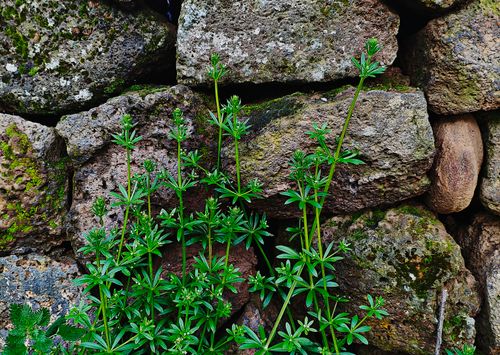
Sea thrift and other coastal wildflowers bring colour to gravel gardens and rockeries. Here is how to plant and care for them.
YOU MAY ALSO LIKE
Planting sea thrift and other coastal wildflowers
Sep 15
10Use low hedges, wind-permeable screens, and tough planting to create a garden that looks good despite relentless coastal breezes.
read more
Designing a garden that copes with strong sea winds
Sep 13
10Choose nectar-rich flowers that tolerate salt winds to support bees, butterflies, and other pollinators in seaside locations throughout the growing season.
read moreCoastal Gardens
-

ERRIC CATONA
Sandy coastal soil drains quickly and lacks nutrients. Learn how to add organic matter and choose plants that cope with these conditions.
May 19, 2016 at 5.12 pm
Reply
ERRIC CATONA
From protecting new growth against late gales to sowing hardy annuals, these spring jobs help coastal gardens start the season strongly.
May 19, 2016 at 5.12 pm
Reply -
ERRIC CATONA
Container-grown ferns need careful watering and shelter. Discover which varieties perform best in pots on exposed patios and balconies.
May 19, 2016 at 5.12 pm
Reply
Ferns
Your email address will not be published.