
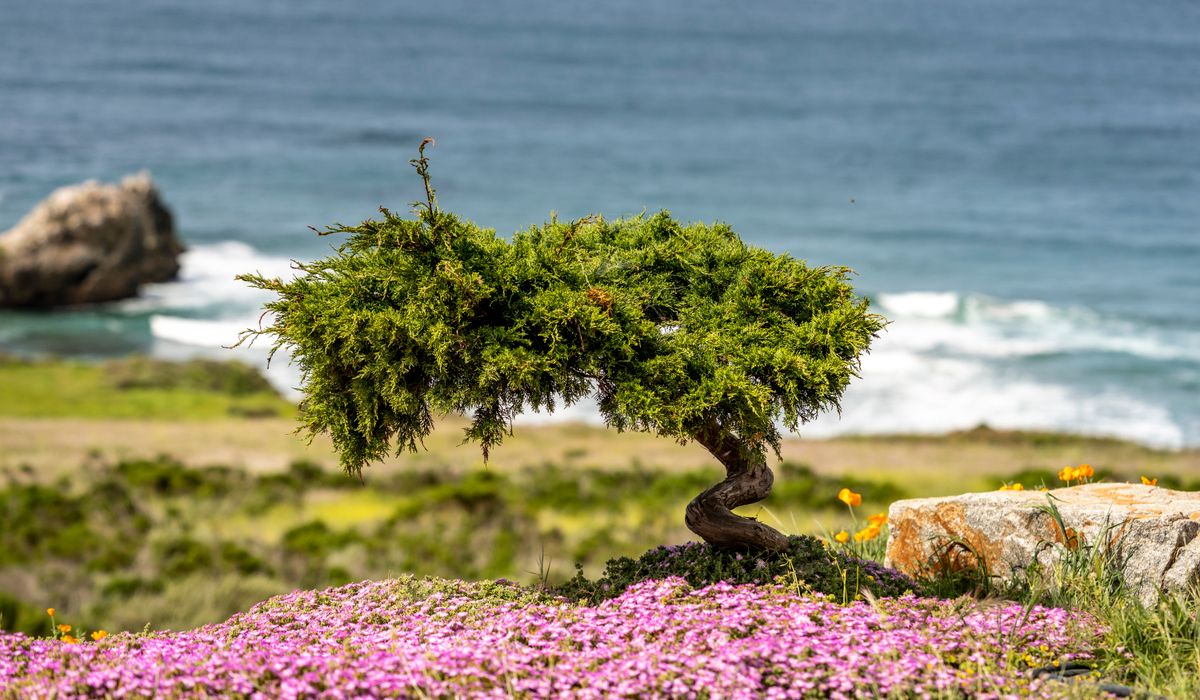
How to create a sheltered fernery in a small garden
Coastal gardens can be brutal on delicate foliage, but a small fernery offers a lush, sheltered retreat. With the right siting and native British ferns, you can create a cool, damp haven that shrugs off salt-laden winds.
Why a fernery suits a small coastal garden
Ferns unfurl in tight spirals, filling awkward corners without demanding a large border. In a small plot, a fernery can be a north-facing strip beside a shed, a shaded patio corner, or even a collection of pots. The goal is to mimic a woodland floor: dappled light, humus-rich soil, and still, moist air. On the coast, that last point is the challenge. Salt burn and drying winds shred tender fronds, but a sheltered fernery moderates both, creating a microclimate that feels miles inland.
Finding the right spot: shelter and shade
Watch your garden through the day. The best position is a north- or east-facing wall or fence, which catches gentle morning sun but avoids scorching midday heat. Dappled shade under a deciduous tree is ideal, provided it is not a greedy surface-rooter like willow. Avoid frost pockets and winter-flooded hollows. In a small coastal garden, look for existing windbreaks: a wall, a shed, a thick hedge. Even a sturdy bin store can anchor a fernery. If you have no shelter, you can create it. Remember that ferns dislike direct, salt-laden gales more than they dislike cold.
Creating a windbreak that works for ferns
Solid barriers are a mistake in a small garden. A brick wall or close-boarded fence deflects wind upwards and creates damaging turbulence. Instead, use a permeable windbreak that filters and slows the wind. Woven hazel hurdles, willow panels, or slatted fencing are excellent. Windbreak netting with around 50 per cent porosity works well attached to a fence or posts. The barrier should be at least as tall as the mature ferns, which for most native species means 60–100cm. For a coastal plot, plant a native hedge of hawthorn, blackthorn, or holly for long-term shelter. These are slow to establish, so put up temporary netting whilst they grow. Sea buckthorn is a native coastal shrub that tolerates salt, but it suckers freely and may be too vigorous for a tiny garden. Allow some airflow: ferns need ventilation to avoid fungal problems, just not a battering.
Preparing the soil: cool, damp and humus-rich
Native ferns evolved on woodland floors, where leaf litter falls year after year. Replicate that by adding plenty of organic matter. Spread a 5–8cm layer of leaf mould, composted bark, or well-rotted garden compost and fork it in gently. If your soil is sandy, add extra compost and a little loam to hold moisture. If it is heavy clay, mix in grit and compost to improve drainage whilst retaining dampness. Most ferns prefer a slightly acidic to neutral soil, around pH 6.0 to 7.0. After planting, mulch with a further 5cm of leaf mould, keeping it clear of the crowns. In containers, use a peat-free multi-purpose compost mixed with leaf mould and horticultural grit. Water with rainwater if possible, as tap water can be alkaline in hard water areas.
Native ferns to plant in your sheltered fernery
Choose a mix of evergreen and deciduous species for year-round interest. All the following are native to Britain and will thrive in a cool, damp, sheltered spot.
- Hart's tongue fern (Asplenium scolopendrium) – glossy, strap-like fronds that look wonderful in shade. Evergreen and tolerant of some salt.
- Male fern (Dryopteris filix-mas) – a robust, shuttlecock-shaped fern that tolerates drier shade once established.
- Lady fern (Athyrium filix-femina) – delicate, lacy fronds in fresh green. It needs consistent moisture and shelter from strong wind.
- Soft shield fern (Polystichum setiferum) – evergreen with soft, feathery fronds. One of the best for coastal gardens, coping with wind and salt.
- Hard fern (Blechnum spicant) – neat, comb-like evergreen fronds. It prefers acidic, damp soil and looks superb in a shady corner.
- Common polypody (Polypodium vulgare) – a creeping evergreen fern that loves walls and crevices. Extremely tolerant of wind and salt.
Planting, aftercare and native companions
Plant in autumn or early spring, when the soil is moist and temperatures are mild. Dig a hole twice the width of the root ball and just deep enough so the crown sits at soil level. Add a handful of leaf mould, position the fern, and firm gently. Water well, even if rain is forecast. Space ferns according to their ultimate size: small species like polypody need 20–30cm, whilst male ferns can spread to 60cm or more. After planting, apply a generous mulch of leaf mould. For the first two years, water during dry spells, particularly in coastal gardens where wind dries the soil quickly. In late winter, cut back old or damaged fronds of deciduous ferns before new growth emerges. Evergreen ferns benefit from a tidy-up in spring, removing any brown or wind-battered fronds. Watch for slugs and snails on new shoots, and divide congested clumps every three to four years. To complete the woodland feel, plant native companions that enjoy the same conditions: wood anemone, bluebell, wild garlic, wood sorrel, and primrose. These will carpet the ground beneath the fronds, adding colour and supporting pollinators. With a little patience, your small coastal fernery will become a green, tranquil refuge that feels a world away from the salt and wind outside.
tag: Ferns

Oliver Pemberton Author
Explore hardy native ferns that thrive in shade, offering texture and green interest through the seasons with minimal fuss.
YOU MAY ALSO LIKE

Best native British ferns for shady borders
Sep 21
10Sea thrift and other coastal wildflowers bring colour to gravel gardens and rockeries. Here is how to plant and care for them.
read more
Planting sea thrift and other coastal wildflowers
Sep 15
10Use low hedges, wind-permeable screens, and tough planting to create a garden that looks good despite relentless coastal breezes.
read moreCoastal Gardens
-

ERRIC CATONA
Choose nectar-rich flowers that tolerate salt winds to support bees, butterflies, and other pollinators in seaside locations throughout the growing season.
May 19, 2016 at 5.12 pm
Reply
ERRIC CATONA
Sandy coastal soil drains quickly and lacks nutrients. Learn how to add organic matter and choose plants that cope with these conditions.
May 19, 2016 at 5.12 pm
Reply -
ERRIC CATONA
From protecting new growth against late gales to sowing hardy annuals, these spring jobs help coastal gardens start the season strongly.
May 19, 2016 at 5.12 pm
Reply
Ferns
Your email address will not be published.