
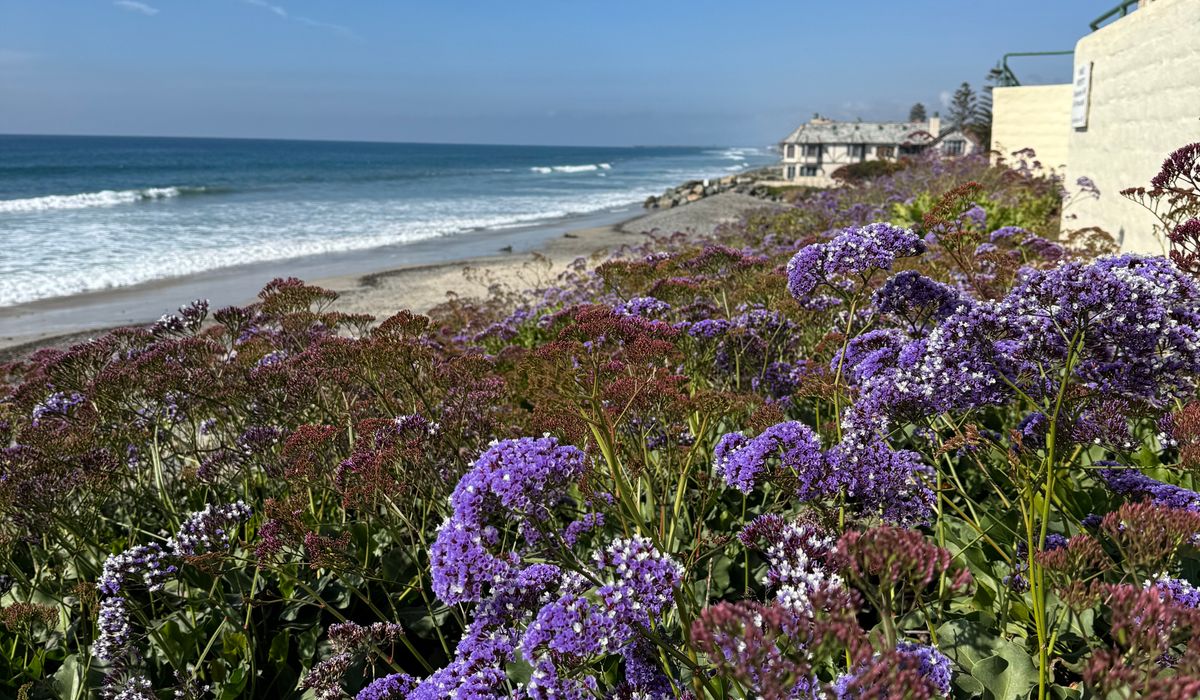
Choosing salt-tolerant shrubs for exposed coastal gardens
Why coastal gardens demand a different kind of planting
If you garden within sight or sound of the sea, you will already know that the rulebook is a little different. Salt-laden winds scorch tender foliage, drying winds whip through gaps, and soils are often thin, sandy and quick to drain. What thrives a mile inland may sulk, blacken and die on an exposed headland. The good news is that a wealth of tough, handsome shrubs has evolved to cope with precisely these conditions, and choosing them well is the single most effective thing you can do to give a seaside plot structure, shelter and year-round colour.
The key is to think in layers. A backbone of salt-tolerant shrubs forms a windbreak that protects everything behind it, and once that shelter belt establishes, your planting palette widens dramatically. Let us look at some reliable performers, and how to use them.
The first line of defence: evergreens for wind and spray
For the most exposed positions, you want dense, evergreen shrubs with small, leathery or needle-like leaves that resist salt burn. These are the plants that will take the brunt of the weather so that less forgiving specimens can survive in their lee.
- Escallonia – glossy green foliage and clusters of pink, red or white flowers in summer. 'Apple Blossom' and 'Iveyi' are stalwarts. It makes a superb informal hedge and tolerates salt with barely a flinch.
- Griselinia littoralis – the very name means "of the shore". Its rounded, apple-green leaves look fresh even after a gale, and it clips beautifully into a dense screen.
- Olearia – daisy bushes such as Olearia × haastii shrug off coastal exposure and reward you with masses of white flowers in late summer.
- Pittosporum tenuifolium – neat, wavy-edged leaves and dark stems. It is slightly less hardy in severe frost, so give it a sheltered corner in colder counties.
- Euonymus japonicus – upright and thoroughly dependable, especially the variegated forms, which light up a grey winter day.
Plant these in a double row, staggered rather than straight, and you will create a permeable barrier that filters the wind rather than blocking it solidly. A solid wall of foliage merely creates damaging turbulence on its far side.
Colour and flowers that stand up to the sea
Once shelter is established, you can be generous with flowering shrubs that bring real drama to the summer garden.
- Hydrangea macrophylla – surprisingly salt-tolerant once established, and the mophead and lacecap varieties flower best in coastal light. The lime-tolerant sorts are ideal for our often-alkaline seaside soils.
- Fuchsia magellanica – hardy, cheerful and endlessly generous, with dangling red and purple flowers from midsummer to the first frosts.
- Hebe – whipcord and glaucous-leaved kinds in particular are made for coastal gardens, with neat spikes of flowers and superb winter foliage.
- Rosemary – aromatic, drought-proof and beloved of bees. It relishes free-draining coastal ground and will sprawl happily over a sunny bank.
- Ceratostigma willmottianum – a little gem with vivid blue flowers late in the season and foliage that turns fiery red in autumn.
For an acid-loving alternative in a lime-free pocket, Pieris and Gaultheria both cope well with wind and salt, provided the soil suits them.
Ground cover, banks and exposed frontages
Bare soil on a coastal bank is soon scoured by wind and rain, so cover it quickly with low, spreading shrubs that knit together into a living mulch.
- Santolina – silvery, aromatic and drought-tolerant, perfect for a hot, dry strip beside a path.
- Brachyglottis (formerly Senecio) – the grey-leaved forms are superb on exposed banks and among rocks.
- Halimium and Cistus – sun-loving evergreens with papery flowers in white, pink or yellow. They need sharp drainage and little else.
- Cotoneaster dammeri – a prostrate shrub that roots as it spreads, holding a slope together while producing bright autumn berries for the birds.
Planting and establishment: the make-or-break stage
Even the toughest shrub needs help in its first two seasons. Plant in autumn or early spring, when the soil is warm and moist but the winds are gentler, and always choose a spell of settled weather. Dig a hole generous enough to take the rootball comfortably, incorporate plenty of well-rotted organic matter, and firm the plant in well to remove air pockets.
Water regularly through the first summer – coastal winds dry foliage and soil far faster than you might expect. A thick mulch of composted bark or garden compost conserves moisture and suppresses weeds, but keep it clear of the stems. If you are planting into pure sand or shingle, consider improving a generous planting pocket rather than the whole border; it is far more economical and gives each shrub the best possible start.
Protect new plants with a temporary windbreak of woven fabric or hurdle fencing for their first winter. Once roots are established, most of the shrubs listed here will look after themselves.
Feeding, pruning and a note on salt burn
Coastal soils are often hungry and fast-draining, so a spring feed of general-purpose fertiliser, plus an annual mulch, keeps growth strong and foliage dense. Prune flowering shrubs immediately after they finish, and trim evergreens lightly in late spring or early summer, avoiding the coldest weeks.
If leaves blacken on the windward side after a gale, do not panic. This is salt burn, and it is largely cosmetic. Rinse foliage with fresh water when you can, trim off the worst damage in spring, and remember that a well-sheltered, well-fed plant will recover quickly. Choose the right shrubs, plant them thoughtfully, and an exposed seaside plot can become one of the most rewarding gardens you will ever tend.
tag: Coastal Gardens

Oliver Pemberton Author
Learn how to site and plant a fernery that protects delicate fronds from wind while providing the cool, damp conditions they love.
YOU MAY ALSO LIKE

How to create a sheltered fernery in a small garden
Sep 23
10Explore hardy native ferns that thrive in shade, offering texture and green interest through the seasons with minimal fuss.
read more
Best native British ferns for shady borders
Sep 21
10Sea thrift and other coastal wildflowers bring colour to gravel gardens and rockeries. Here is how to plant and care for them.
read moreCoastal Gardens
-

ERRIC CATONA
Use low hedges, wind-permeable screens, and tough planting to create a garden that looks good despite relentless coastal breezes.
May 19, 2016 at 5.12 pm
Reply
ERRIC CATONA
Choose nectar-rich flowers that tolerate salt winds to support bees, butterflies, and other pollinators in seaside locations throughout the growing season.
May 19, 2016 at 5.12 pm
Reply -
ERRIC CATONA
Sandy coastal soil drains quickly and lacks nutrients. Learn how to add organic matter and choose plants that cope with these conditions.
May 19, 2016 at 5.12 pm
Reply
Ferns
Your email address will not be published.