
Planting sea thrift and other coastal wildflowers
Why coastal wildflowers suit gravel gardens and rockeries
Coastal wildflowers are tough. They evolved on cliff tops, shingle beaches and sand dunes, where wind hammers them, salt spray scorches them and rain drains away almost instantly. That makes them perfect for gravel gardens and rockeries, which mimic those free-draining, exposed conditions. If you have a sunny, dry spot that leaves other plants sulking, native coastal species will feel right at home. They need little feeding, rarely need watering once established, and they bring a breezy, seaside feel to any UK garden, even miles inland.
Sea thrift: the cornerstone of a coastal planting
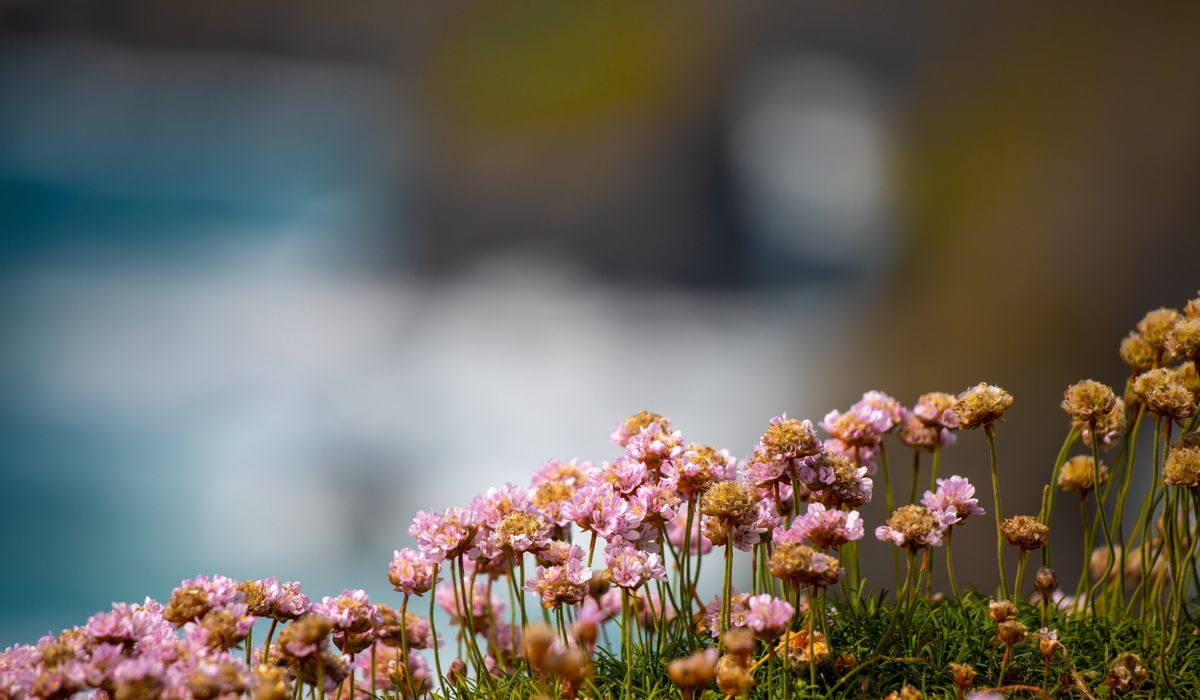
Sea thrift (Armeria maritima), also called sea pink, is the classic choice. It forms tight evergreen cushions of narrow, dark green leaves, and from late spring to midsummer it sends up stiff stems topped with globe-shaped clusters of pink, white or lilac flowers. These persist for weeks and are a magnet for bees and butterflies. Plant thrift in full sun and sharply drained soil. It excels at the front of a border, in gravel, between paving stones or tucked into rock crevices. It tolerates wind and salt, and it is hardy across the UK. Just avoid rich, soggy ground, which kills it faster than any frost.
Other native coastal wildflowers to grow
Once you have thrift established, widen the palette with these British natives:
- Sea campion (Silene uniflora): low mounds of grey-green leaves with white, bladder-like flowers from May to August. Excellent for gravel and wall crevices.
- Kidney vetch (Anthyllis vulneraria): yellow, orange or red clover-like heads on silvery foliage. A magnet for bees and a good nitrogen fixer for poor soils.
- Sea lavender (Limonium vulgare): airy sprays of tiny mauve flowers in late summer. It loves a sunny, well-drained spot and makes a fine cut flower.
- Sea holly (Eryngium maritimum): spiky, steel-blue flower heads and stiff, glaucous leaves. Dramatic in gravel, but it resents root disturbance, so plant it young.
- Yellow horned poppy (Glaucium flavum): bold, grey-cut foliage and bright yellow poppy flowers followed by long, curved seed pods. Short-lived but self-seeds in gravel.
- Viper’s bugloss (Echium vulgare): brilliant blue flowers on bristly stems, beloved by pollinators. It thrives in poor, sandy soil.
How to plant coastal wildflowers
Autumn or early spring is ideal, while the soil is moist but not cold. Choose a spot in full sun. If your soil is heavy clay, dig in plenty of horticultural grit or sharp sand to create a free-draining root zone. For gravel gardens, plant directly into the gravel after clearing weeds. For rockeries, use a gritty compost mix and set plants into pockets between stones. Plant sea thrift so the crown sits just at soil level, never buried. Space plants 20–30cm apart for small species, 45cm for larger ones like sea holly. Water them in well, then top-dress with 2–3cm of gravel or stone chippings. This suppresses weeds, keeps the crown dry and reflects heat back onto the plants.
Aftercare through the year
Less is more with coastal wildflowers. Water only during prolonged dry spells in the first summer. After that, they should fend for themselves. Do not feed them; rich soil leads to floppy growth and fewer flowers. Deadhead sea thrift after its main flush to tidy the cushions and encourage a sparse second showing. Cut back sea campion and kidney vetch lightly after flowering to keep them compact. Leave seed heads on sea lavender, sea holly and horned poppy for winter structure and bird food. Every two to three years, lift and divide overcrowded thrift and campion in early spring, replanting the outer, vigorous sections. Watch for slugs on new growth in wet springs, and ensure winter drainage is perfect — a soggy crown in January is the main killer.
Designing with coastal wildflowers
Coastal plants look best in loose, naturalistic groupings. Combine sea thrift’s pink pom-poms with the blue spires of viper’s bugloss and the silver foliage of sea holly for a bold, seaside palette. Add yellow horned poppy for contrast, and let sea lavender drift through the middle. In a rockery, allow thrift to spill over edges and campion to fill gaps between stones. Gravel gardens can take larger drifts, with swathes of one species repeated for impact. These plants also work in containers — use a gritty, peat-free compost and a terracotta pot for extra drainage. However you grow them, they will reward you with colour, movement and wildlife, even on the most exposed, sun-baked site.
tag: Seaside Planting

Eleanor Hartley Author
Use low hedges, wind-permeable screens, and tough planting to create a garden that looks good despite relentless coastal breezes.
YOU MAY ALSO LIKE
Designing a garden that copes with strong sea winds
Sep 13
10Choose nectar-rich flowers that tolerate salt winds to support bees, butterflies, and other pollinators in seaside locations throughout the growing season.
read more
Attracting bees and butterflies to coastal gardens
Sep 11
10Sandy coastal soil drains quickly and lacks nutrients. Learn how to add organic matter and choose plants that cope with these conditions.
read moreCoastal Gardens
-

ERRIC CATONA
From protecting new growth against late gales to sowing hardy annuals, these spring jobs help coastal gardens start the season strongly.
May 19, 2016 at 5.12 pm
Reply
ERRIC CATONA
Container-grown ferns need careful watering and shelter. Discover which varieties perform best in pots on exposed patios and balconies.
May 19, 2016 at 5.12 pm
Reply -
ERRIC CATONA
Coastal alpines and tiny bulbs can transform a sunny rock garden. Learn how to build one that mimics their natural seaside home.
May 19, 2016 at 5.12 pm
Reply
Ferns
Your email address will not be published.