
iGaming Unlocked: A Real Talk Guide to Casinos, Bets, Slots & Poker
Let’s be honest: the online gambling world can feel like a carnival at midnight—bright lights, loud noises, and a thousand different ways to spend your money. But underneath the flash, there’s a structured ecosystem of odds, software, and player psychology that’s genuinely fascinating. Whether you’re a curious newcomer or a seasoned grinder, this guide cuts through the noise with practical insights you can actually use.
Casino Games: More Than Just Luck
Walk into any online casino lobby and you’re bombarded with options: blackjack, roulette, baccarat, craps, and a dozen variations of each. The key difference between a casual player and a smart one is understanding the house edge—the mathematical advantage the casino holds on every bet.
Take blackjack. With basic strategy (a chart that tells you the optimal move for every hand), the house edge can drop to around 0.5%. That means for every $100 you wager, you’re theoretically losing just 50 cents over the long run. Compare that to American roulette, where the double zero brings a 5.26% edge—ten times worse. Baccarat, surprisingly, offers some of the best odds in the building, with the banker bet carrying just a 1.06% edge.
Here’s a quick cheat sheet for common casino games:
- Blackjack: 0.5% – 2% house edge with basic strategy
- Baccarat (banker bet): 1.06%
- Craps (pass line): 1.41%
- European roulette: 2.7%
- American roulette: 5.26%
- Slots: 2% – 15% depending on the machine
The takeaway? If you want the most playtime for your bankroll, stick to table games where skill and strategy can shave the edge. Slots are fun, but they’re the casino’s bread and butter for a reason.
Slot Machines: Understanding Volatility and RTP
Slots have evolved from simple three-reel mechanical machines to video slots with complex bonus rounds, megaways, and progressive jackpots. But two numbers matter more than any theme or animation: RTP and volatility.
RTP stands for Return to Player—the percentage of all wagered money that a slot pays back over millions of spins. A 96% RTP means the casino keeps 4% on average. That sounds small, but over hours of play, it adds up. Always check the RTP before playing; reputable casinos publish it, and anything below 94% is generally stingy.
Volatility (or variance) describes how the slot pays. Low-volatility slots pay small amounts frequently, keeping your bankroll alive but rarely delivering huge wins. High-volatility slots are feast or famine—long dry spells followed by massive payouts. If you have a small bankroll, low volatility is your friend. If you’re chasing a jackpot, high volatility is the only way.
Pro tip: Progressive jackpots like Mega Moolah or Wheel of Fortune often have RTPs below 90% because a slice of every bet feeds the jackpot. They’re lottery tickets, not steady earners. Play them for fun, not for profit. rik vip covers this in more detail.
Sports Betting: Where Knowledge Meets Numbers
Sports betting is the fastest-growing segment of iGaming, and it’s easy to see why. Unlike slots, where outcomes are random, sports betting rewards research, discipline, and understanding of probabilities. But it’s also a trap for emotional bettors.
The first concept to master is the vig (vigorish) or juice—the commission the sportsbook charges on winning bets. In American odds, a standard -110 line means you bet $110 to win $100. That extra $10 is the book’s cut. Over time, you need to win about 52.4% of your bets just to break even. That’s a tough margin, which is why most casual bettors lose.
Successful bettors focus on value, not certainties. They look for lines where the implied probability is lower than the actual probability. For example, if you calculate a team has a 60% chance to win, but the odds imply only 50%, that’s a value bet. It doesn’t guarantee a win, but it’s profitable over hundreds of bets.
A few practical tips for sports betting:
- Shop for lines: Different books offer different odds. A half-point can swing your long-term profit.
- Specialize: Don’t bet on every sport. Pick one league or market and become an expert.
- Track everything: Keep a spreadsheet of your bets, odds, and results. You’ll learn more from your own data than from any tipster.
- Bankroll management: Never bet more than 1-2% of your total bankroll on a single wager. Even the best go on losing streaks.
Poker: The Only Game Where You Play the Players
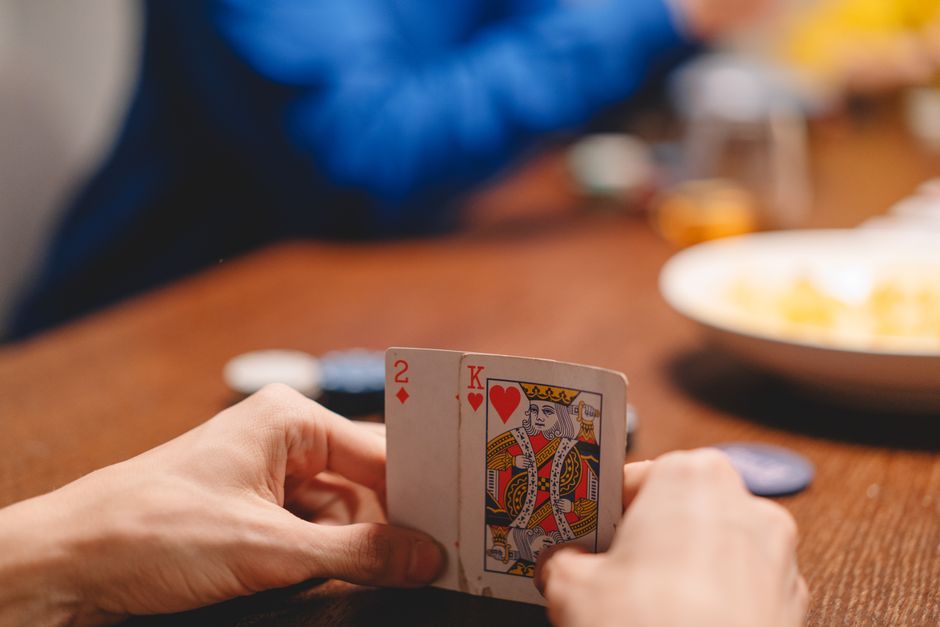
Poker is the great exception in iGaming. Slots and roulette are games of chance; poker is a game of skill wrapped in luck. In the short run, anyone can win. In the long run, the better players take the money.
If you’re new to poker, start with No-Limit Texas Hold’em—it’s the most popular variant and the easiest to find games. The core skills are hand selection, position, and reading opponents. Position is huge: acting last gives you more information, so you can play more hands profitably from the button than from early seats.
Bankroll management is even more critical in poker than in sports betting. A common rule for cash games is to have at least 20 buy-ins for your stake. If you play $1/$2 no-limit, that means a $4,000 bankroll. For tournaments, 50-100 buy-ins is safer because variance is higher. Ignoring this rule is the fastest way to go broke.
One more thing: online poker is not dead. It’s tougher than the boom years, but there are still soft games, especially at micro-stakes and in certain regional markets. Use tracking software like Hold’em Manager or PokerTracker to analyze your play—you’ll spot leaks you never knew you had.
Responsible Gambling: The Elephant in the Room
You can’t write about iGaming without addressing the downside. Gambling is entertainment, not a retirement plan. The house always has an edge, and no strategy eliminates it completely. Set deposit limits, take breaks, and never chase losses. If you feel your gambling is becoming a problem, use tools like self-exclusion or reach out to organizations like Gamblers Anonymous.
The smartest players are the ones who treat gambling as a cost—like a movie ticket or a round of golf—and walk away when the fun stops. That’s not a cliché; it’s the difference between a hobby and a disaster.
Final Thoughts: Build Your Own Edge
The iGaming world is vast, and no single article can cover everything. But the principles are universal: understand the math, manage your money, specialize in a few games, and never bet more than you can afford to lose. Whether you’re spinning slots, betting on the Premier League, or grinding micro-stakes poker, treat it as a mental challenge with a financial element. Do that, and you’ll enjoy the ride far more than the guy who just hits “max bet” and hopes for the best.
tag: iGaming

Oliver Pemberton Author
Learn how to site and plant a fernery that protects delicate fronds from wind while providing the cool, damp conditions they love.
YOU MAY ALSO LIKE

How to create a sheltered fernery in a small garden
Sep 23
10Explore hardy native ferns that thrive in shade, offering texture and green interest through the seasons with minimal fuss.
read more
Best native British ferns for shady borders
Sep 21
10Sea thrift and other coastal wildflowers bring colour to gravel gardens and rockeries. Here is how to plant and care for them.
read moreCoastal Gardens
-

ERRIC CATONA
Use low hedges, wind-permeable screens, and tough planting to create a garden that looks good despite relentless coastal breezes.
May 19, 2016 at 5.12 pm
Reply
ERRIC CATONA
Choose nectar-rich flowers that tolerate salt winds to support bees, butterflies, and other pollinators in seaside locations throughout the growing season.
May 19, 2016 at 5.12 pm
Reply -
ERRIC CATONA
Sandy coastal soil drains quickly and lacks nutrients. Learn how to add organic matter and choose plants that cope with these conditions.
May 19, 2016 at 5.12 pm
Reply
Ferns
Your email address will not be published.