
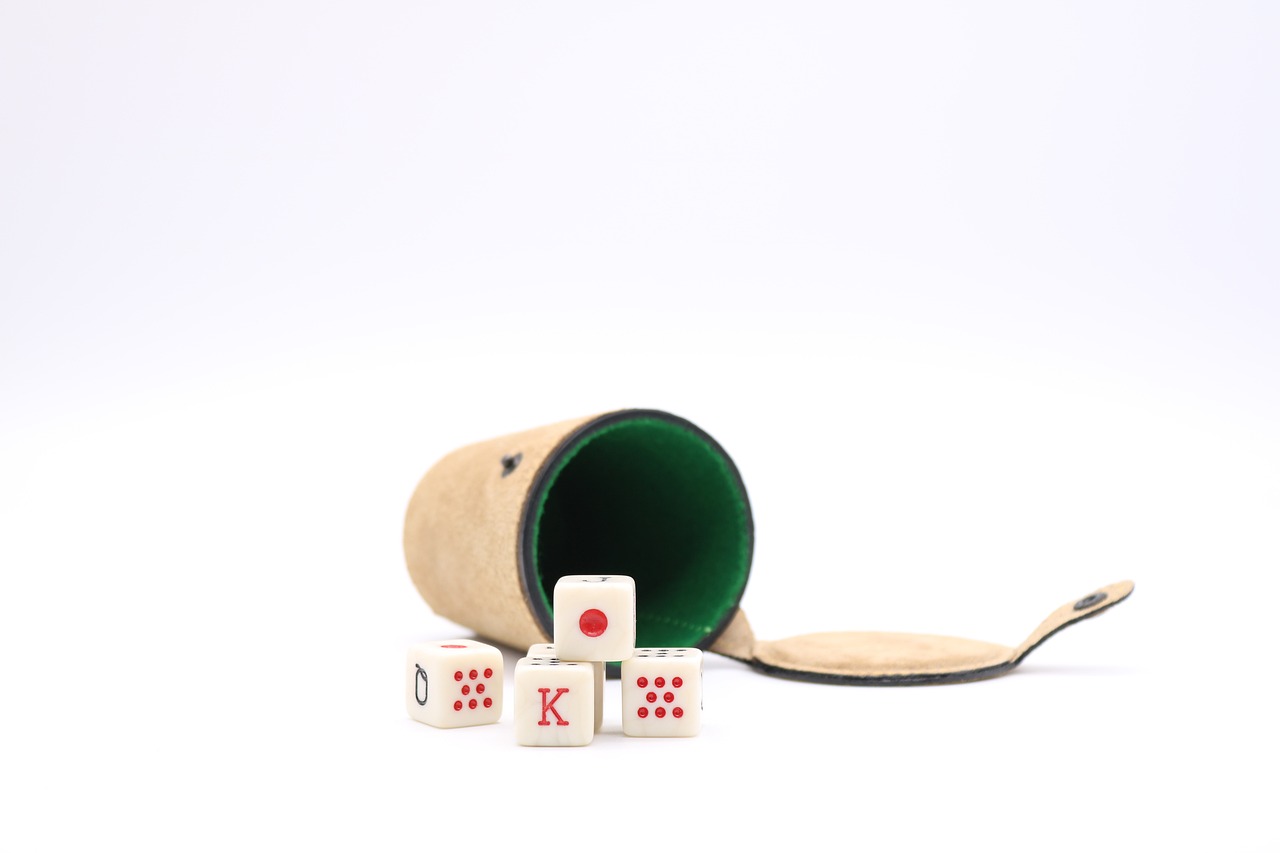
Slot Volatility Explained: Why Paylines Lie and RTP Tells Half the Story
Most players pick a slot the same way they pick a cereal box: bright colors, a catchy name, and whatever the guy next to them is playing. Then they wonder why the machine ate 200 spins without a single bonus. Here's the uncomfortable truth — the two numbers that actually decide how your session will feel are buried deep in the paytable, and almost nobody reads them.
Volatility and RTP. Learn these two, and you stop blaming bad luck for what is really just math doing its job.
RTP Is Not a Promise — It's a Long-Term Average
Return to Player (RTP) is the percentage of all wagered money a slot theoretically pays back over millions of spins. A 96% RTP machine keeps 4% for the house. A 94% machine keeps 6%. Sounds trivial, but over a thousand spins at $1 each, that gap is the difference between losing $40 and $60 in expected value. For practical tips, check out สล็อตเว็บตรง.
Here's where players get duped. Many titles ship with multiple RTP configurations — say 96.2%, 94.5%, and 92%. Operators choose which version to deploy. A slot you loved at one casino can quietly be the stingier build somewhere else. If a casino lists RTP at all, check the game's help screen, not the marketing page. And no, the slot doesn't "owe" you a payout because it's been cold. Every spin is independent. The RTP is calculated over an infinite sample, not your Tuesday night session.
A quick reference point for what's decent:
- Above 97% — excellent, rare, usually older or low-volatility titles.
- 96%–97% — the modern standard for quality releases.
- 94%–96% — acceptable but you're paying for the theme.
- Below 94% — walk away unless the mechanic genuinely excites you.
Volatility Decides How the Ride Feels
If RTP is the destination, volatility is the road. It describes how payouts are distributed. Low-volatility slots drip small wins constantly — think Starburst or most classic 3-reel games. High-volatility slots like Book of Dead or San Quentin can bleed you dry for 300 spins, then hand you a 5,000x multiplier in one bonus round.
Neither is "better." They suit different bankrolls and temperaments. A player with $50 and two hours to kill should not sit down at a 10,000x-max-win monster. A player chasing a life-changing hit shouldn't grind a slot that caps at 250x.
Practical approach:
- Decide your session budget first, not your target win.
- Estimate 100–200 spins minimum for a fair shot at a bonus on medium volatility.
- Divide budget by spin cost. If that's under 100 spins, drop your bet size.
- Match volatility to goal: steady entertainment = low/medium; lottery ticket = high.
That math will save you more money than any "winning strategy" forum thread ever will.
Betting Markets: Where the Real Edge Lives
Slots are entertainment with a fixed house edge. Sports betting is different because the odds move, and occasionally the book gets it wrong. The concept of value betting — backing selections where the true probability is higher than the implied probability of the odds — is the only sustainable long-term approach. A -110 line implies a 52.4% chance. If you genuinely believe the true chance is 55%, that's value.
What kills most bettors is not bad picks but bad bankroll management. Flat staking — betting the same 1–2% of your bankroll per selection — is boring and effective. Chase losses and you're done within a month. Also track closing line value: if your bets consistently beat the closing odds, you're likely a sharp bettor even during a losing streak.
Poker Is the Only Game You Can Actually Beat
Unlike slots or the wheel, poker is played against other people, not the house. The rake is a tax, but skill genuinely decides your win rate over a large sample. The single biggest leak among beginners is playing too many starting hands. Tight-aggressive isn't a cliché; it's a foundation.
Three concepts worth internalizing before you deposit a cent:
- Position — acting last gives you information nobody else has. Play more hands from the button, fold more from early seats.
- Pot odds — if calling $10 wins you $50 when you hit, you need roughly 17% equity or better to break even. Do the math before you call, not after.
- Bankroll separation — never sit at a cash table with money you need. 20 buy-ins is a common floor for cash games, 50+ for tournaments.
Poker rewards patience and punishes ego. Every player who goes broke did so because they refused to fold a hand they'd already invested in.
Myths That Cost Players Money
The iGaming world runs on misinformation. A few persistent lies:
- "The machine is due." RNG slots have no memory. Streaks exist only in your head.
- "Hot tables stay hot." Same logic, same flaw. Past results don't influence future dice, cards, or reels.
- "Strategies can beat slots." No staking system changes a negative expected value.
- "Poker is pure luck." Luck dominates short sessions. Skill dominates long ones.
Recognizing these isn't about being cynical — it's about playing with clear eyes so you enjoy the entertainment without pretending it's an investment plan.
Treat It as Entertainment, Not Income
Here's the honest bottom line. Slots and most casino games are engineered with a built-in edge for the house. You cannot outsmart the math over time. You can, however, control your bet size, your session length, and your expectations. Set a loss limit before you log in, and honor it the way you'd honor a restaurant bill.
Poker and sports betting reward study, discipline, and emotional control — that's where a thoughtful player can genuinely gain an edge. Everything else is a paid ride. Buy the ride because you enjoy the ride, not because you think the operator made a mistake. The ones who last years in iGaming are the ones who treat winning as a bonus and losing as a budgeted cost. That single mindset shift is worth more than any tip, trick, or system you'll ever read on a forum.
tag: iGaming

Oliver Pemberton Author
Learn how to site and plant a fernery that protects delicate fronds from wind while providing the cool, damp conditions they love.
YOU MAY ALSO LIKE

How to create a sheltered fernery in a small garden
Sep 23
10Explore hardy native ferns that thrive in shade, offering texture and green interest through the seasons with minimal fuss.
read more
Best native British ferns for shady borders
Sep 21
10Sea thrift and other coastal wildflowers bring colour to gravel gardens and rockeries. Here is how to plant and care for them.
read moreCoastal Gardens
-

ERRIC CATONA
Use low hedges, wind-permeable screens, and tough planting to create a garden that looks good despite relentless coastal breezes.
May 19, 2016 at 5.12 pm
Reply
ERRIC CATONA
Choose nectar-rich flowers that tolerate salt winds to support bees, butterflies, and other pollinators in seaside locations throughout the growing season.
May 19, 2016 at 5.12 pm
Reply -
ERRIC CATONA
Sandy coastal soil drains quickly and lacks nutrients. Learn how to add organic matter and choose plants that cope with these conditions.
May 19, 2016 at 5.12 pm
Reply
Ferns
Your email address will not be published.