
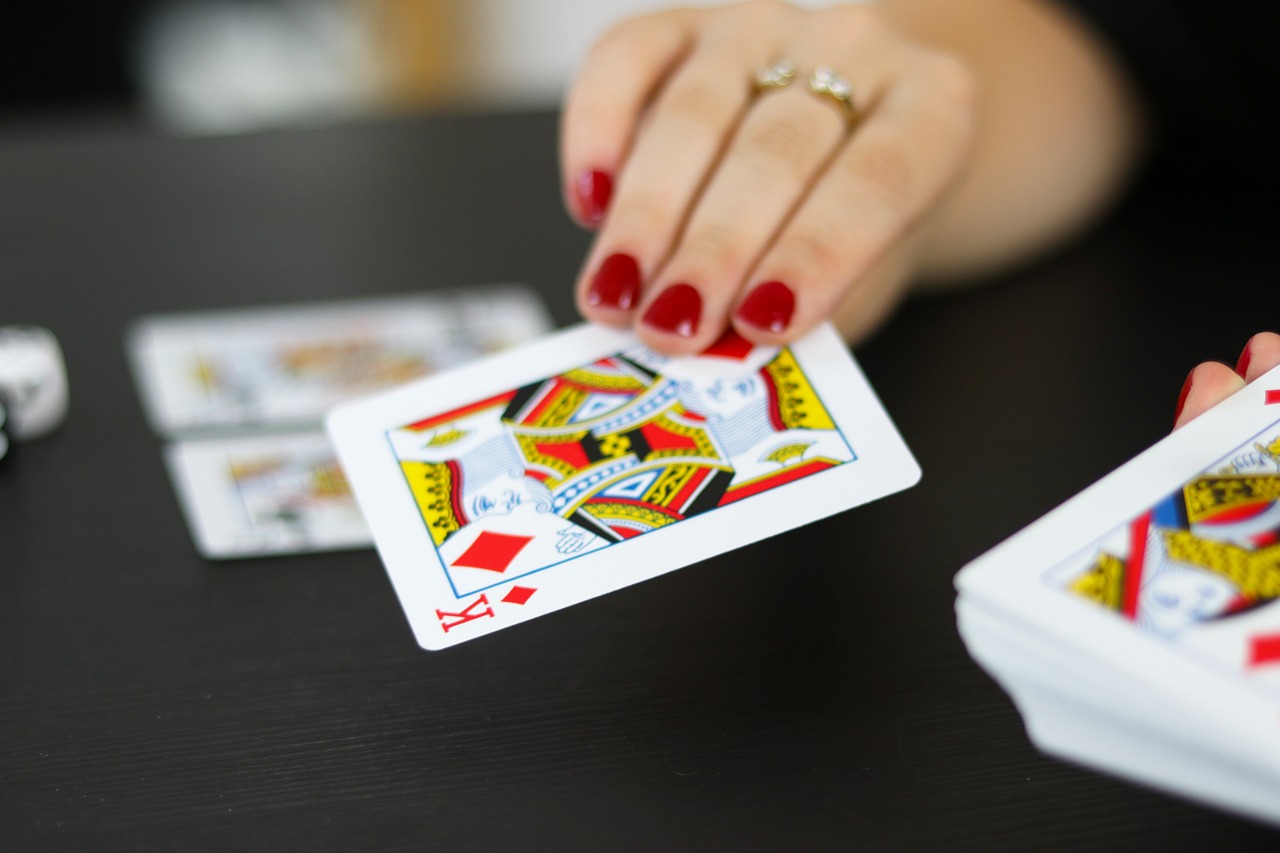
Why Smart Players Still Lose at Slots (and How to Fix It)
Here is a number that stings: the average slot player loses roughly 2 to 8 percent of everything they wager over a session, depending on the machine. On a $500 bankroll with $1 spins, that's somewhere between ten and forty dollars vanishing per hour — not as a matter of bad luck, but as a mathematical certainty baked into the RTP. And yet most people who play slots genuinely believe they are beating this. They aren't. Neither are you, at least not over any meaningful stretch.
That isn't a lecture. It's the starting point for a much more interesting conversation: if the house edge is fixed, what actually separates the players who walk away mostly intact from the ones who don't? The answer has almost nothing to do with picking the right machine and almost everything to do with how you structure your sessions, your time, and your expectations. Here's what actually matters.
The RTP Myth That Refuses to Die
Let's kill this one first, because it costs people real money. A 96% RTP slot does not mean you get 96% of your bankroll back when you quit. It means that over millions of spins, the machine pays out 96% of everything wagered. You could burn through $200 in twenty minutes on a 97% RTP game and never see a bonus feature. You could also double up on a 94% RTP game in ten spins. The variance — not the RTP — determines what your session looks like.
Where RTP genuinely matters is in games with high hit frequency and low volatility, like many classic three-reel slots or the simpler five-reel fruit games. These grind out small wins at a steady rate, and the RTP gets close to your real experience. In modern Megaways titles with 50,000x max wins, RTP tells you almost nothing about your next hundred spins. Understanding this distinction stops you from making absurd decisions, like hunting a mythical "hot" machine or avoiding one that "never pays." This is explained well on สล็อตเว็บตรง.
Poker Is a Skill Game Wearing a Gambling Costume
Now for the part where player edge actually exists. In poker — real poker, not the casino-banked variants like Three Card Poker or Caribbean Stud — the house takes a fixed rake and then gets out of the way. The money that changes hands between players is a direct function of who makes better decisions. This is why a competent mid-stakes cash game player can grind out a consistent win rate: the edge is structural, not cosmic.
The catch is that poker edge is brutally narrow. At a $1/$2 no-limit hold'em table with a 10% capped rake, your theoretical win rate might sit around 5 to 10 big blinds per hour before rake, and rake can eat a meaningful chunk of that. Three bad calls in a session can wipe out a week of good play. The point isn't that poker is easy — it's that it is a fundamentally different animal from slots or roulette, and the strategies that work in one are actively destructive in the other.
What separates winning players in each format
- Slots: bankroll discipline, session limits, and choosing volatility that matches your budget.
- Sports betting: line shopping, closing line value, and disciplined unit sizing — not "good feelings."
- Poker: position, pot odds, opponent range reading, and emotional control after a bad beat.
- Blackjack (with basic strategy): the only casino game where a knowledgeable player cuts the house edge to under 1%.
Notice what appears in all four: discipline. Boring, unglamorous discipline. Nobody films a documentary about a guy who stuck to his unit size for six months.
Sports Betting: Where Sharp Money Quietly Wins
Sports betting has become the fastest-growing arm of iGaming in most regulated markets, and it's also where the biggest skill gap exists between casual and sharp players. The casual bettor looks at a team, decides they "should win," and places the bet. The sharp bettor compares the offered line against their own model, checks the closing line at sharp books, and only bets when the number is wrong.
Closing line value — whether the price you took beats the final price before kickoff — is one of the best predictors of long-term profitability. It's not foolproof, but it's far more predictive than your win-loss record over a hundred bets. A bettor who consistently beats the closing line by even 1.5% is doing something right, even if they're down over a short run.
Concrete tip: if you're serious about this, open accounts at three or four books and line shop every single bet. A half-point of line movement on spread bets is often the difference between a 52% and a 54% win rate, and that gap is the entire margin between profit and loss over a sample of a thousand wagers.
The Bankroll Question Nobody Wants to Answer
How much should you actually be playing with? Here's a rough framework real players use:
- Slots: 200 units minimum. If you spin $1 per spin, that's a $200 session bankroll — and you should walk away when it's gone, not reload.
- Cash poker: 20 to 40 buy-ins. At a $200 buy-in game, that's $4,000 to $8,000 set aside, and ideally money you genuinely can lose.
- Sports betting: 50 to 100 units. If your unit is 1% of bankroll, you should have the discipline to not exceed it after a losing Sunday.
- Tournaments: 50 to 100 buy-ins if you're playing regularly, because the variance in MTTs is savage.
If that sounds like a lot, it's because iGaming isn't cheap. The people who treat it as a casual hobby with no reserves are the same people whose "hobby" quietly becomes a problem. That's not moralizing — it's arithmetic.
Session Structure: The Underrated Edge
Free tip that's worth more than any "slot strategy": set a time limit before you start playing, not just a money limit. Tilt compounds with time. Player fatigue after three hours of slots is real, and decision quality in poker collapses after midnight. The players I know who consistently stay profitable over years do absurdly simple things: they play in scheduled blocks, they take breaks every 60–90 minutes, and they stop when the plan says stop, not when their emotions say "one more spin."
The second underrated edge is game selection. In poker, choosing an easy table matters more than any technique. In sports betting, finding soft markets — obscure leagues, player props, early lines — matters more than analysis volume. In slots, picking games with hit frequencies that match your temperament matters more than chasing the highest max win. Match the game to you, not you to the game.
Where This Leaves You
The hard truth about iGaming is that the math doesn't bend. Slots will keep their edge, roulette will keep its 2.7% or 5.26%, and even sharp sports bettors pay the vig on every losing leg. What you control is everything around that: how much you risk, how long you play, which games you sit at, and whether you have the emotional wiring to stop when stopping is correct. The players who last — who actually enjoy this for decades — are rarely the ones with secret systems. They're the ones who accepted the math early, built boring habits around it, and let occasional luck do what luck does. Everything else is just a story we tell ourselves between spins.
tag: iGaming

Oliver Pemberton Author
Learn how to site and plant a fernery that protects delicate fronds from wind while providing the cool, damp conditions they love.
YOU MAY ALSO LIKE

How to create a sheltered fernery in a small garden
Sep 23
10Explore hardy native ferns that thrive in shade, offering texture and green interest through the seasons with minimal fuss.
read more
Best native British ferns for shady borders
Sep 21
10Sea thrift and other coastal wildflowers bring colour to gravel gardens and rockeries. Here is how to plant and care for them.
read moreCoastal Gardens
-

ERRIC CATONA
Use low hedges, wind-permeable screens, and tough planting to create a garden that looks good despite relentless coastal breezes.
May 19, 2016 at 5.12 pm
Reply
ERRIC CATONA
Choose nectar-rich flowers that tolerate salt winds to support bees, butterflies, and other pollinators in seaside locations throughout the growing season.
May 19, 2016 at 5.12 pm
Reply -
ERRIC CATONA
Sandy coastal soil drains quickly and lacks nutrients. Learn how to add organic matter and choose plants that cope with these conditions.
May 19, 2016 at 5.12 pm
Reply
Ferns
Your email address will not be published.